

How Play Can Help Kids Cultivate AI Literacy
Psychologist Peter Gray's philosophy of free play can teach us a lot about raising kids who can understand, enjoy, and master new technology such as AI...

I stumbled upon a book published in 2013 by psychologist Peter Gray called Free to Learn. For more than a decade, Gray has been part of a group of academics heralding play as critical to both a child’s emotional wellbeing and to their intellectual development. But what I found most interesting about Free to Learn was how this book, published more than a decade ago, is actually an excellent guide to cultivating digital and AI literacy skills in kids.
First, a bit of context: there’s a bigger story unfolding around Gray right now, and this recent Atlantic piece is an excellent primer on the academic’s work and the ways he’s diverged from former allies in the “free learning” space. Initially aligned with fellow play advocate Jonathan Haidt, author of The Anxious Generation, Gray came to a different view regarding how much digital play contributes to the healthy development of kids and teens. He’s since turned that perspective into a new book, Restoring Childhood, out in September (you can pre-order it now).
It’s Gray’s core premise about play in his first book, though, that got me thinking about how his philosophy might actually help kids engage positively with AI.
It’s the Journey Not the Destination
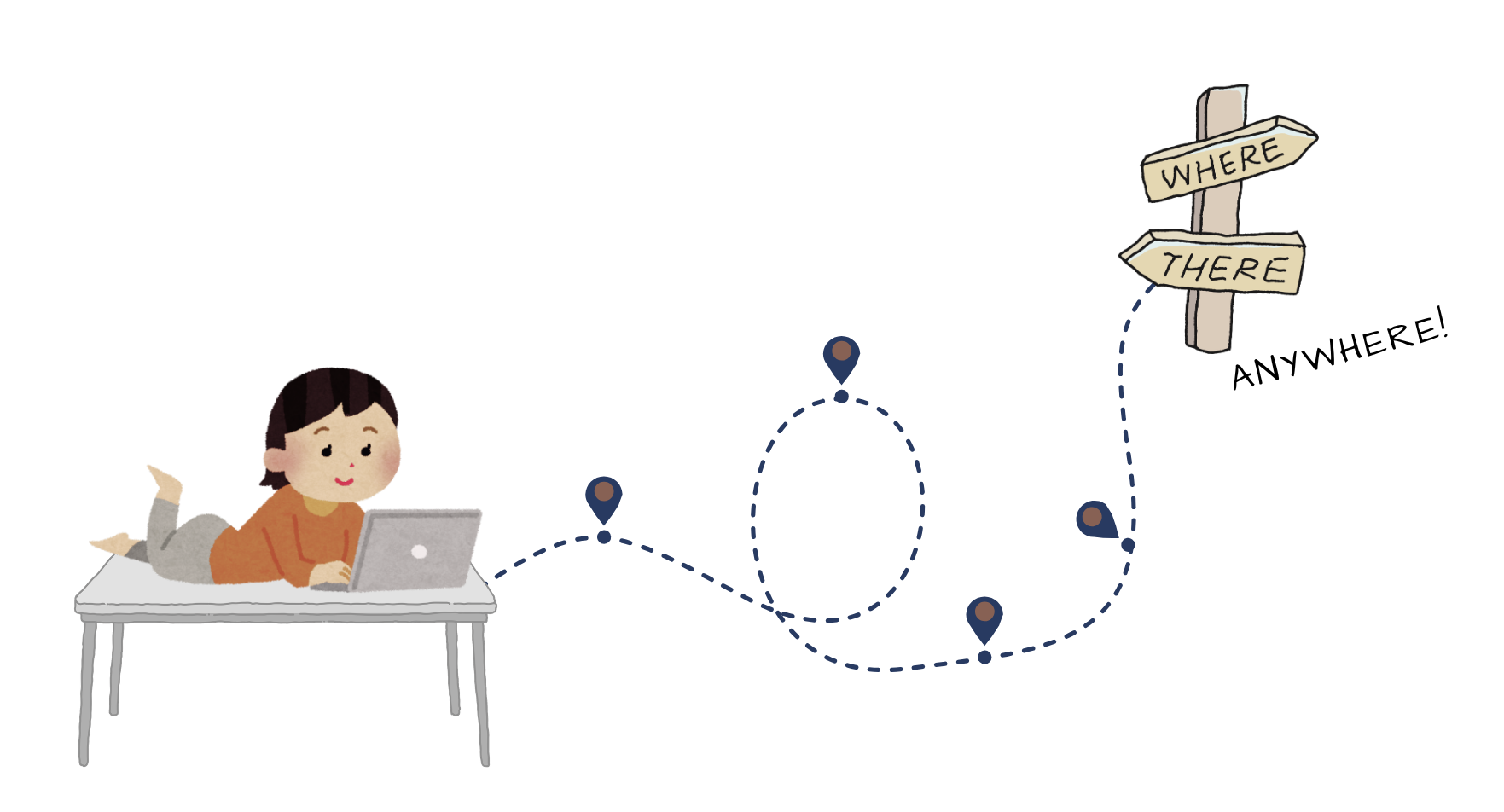
My excitement about Gray’s work comes from my own belief that children are smart, resilient, independent beings who need our support to explore, learn, experiment, and “roam free”—a belief that can extend naturally to how kids engage with technology.
As Gray explains it, “play” begins with curiosity (a thirst humans never fully quench) and then moves to playfulness and sociability. Playfulness is the way one explores and practices skills and sociability serves as the way that ideas are spread. It’s a process that doesn’t need to end in a test or any prescribed outcome to be effective—and Gray makes a powerful argument for how this natural instinct is in conflict with modern education.
Overall, though, the point is that we learn the most along the way, not just for the sake of accomplishing a single task. And it’s in this analogy that I see a path to AI literacy—for kids and adults alike.
Forget the Outcome
We talk about AI usage a lot in terms of outcomes: the project it makes easier to pull together, the paper it might help write, the work it can do in an office setting. These are meaningful examples as to why AI can work for us as a society, but they’re not how we get to a better future. So it’s interesting to consider how “play” might unlock AI’s full potential for all of us.
What play does is let us explore ideas without expectations or a specific outcome in mind. You are free to explore questions or ideas without the fear of “sounding stupid.” We can also work through problems or ideas that simply need some challenging discussion to come to fruition. The point is to ponder, ask, think, and push with no expectation for the outcome—and no fear of judgement.
Kids are already great at asking questions. So it can be as easy as encouraging them to be more freely curious (and “play around”) with AI rather than simply seeing the technology as a means to finishing an assignment. This is important for adults too. In my book, I share insight into how the number of questions humans ask nosedives from childhood into adulthood. But if we could maintain this skill, we might all get much more out of AI.
Kids Should be Free to Roam
An extension to this theory, and one that will be central to Gray’s new book out in September, is that we need kids to explore the online realm as freely as they are encouraged to do outdoors.
This doesn’t mean we ignore the specific needs of our kids by age, sensibility, or individual family comfort level, but it does mean that loosening the reins will be important to the future. It’s also the way that Gray diverges in his thoughts from Haidt—the digital world is one that our little natives need to explore to learn resilience and personal agency not be banned from using.
We’ve sort of trapped kids in this place where they’re less free outdoors, but now we want to also restrict their indoor digital play too. Gray believes that this is what is causing anxiety—not the screens specifically. And by giving kids more freedom to explore online he illustrates that kids are not deterred from going outside (nor should they be).
Ultimately it’s not about the balance of time spent indoors versus outdoors—it’s about a philosophy of exploration that that encourages independence, imagination, and exploration, and ultimately builds confidence and personal agency regardless of the venue.
Ideas for Playing Together Using AI
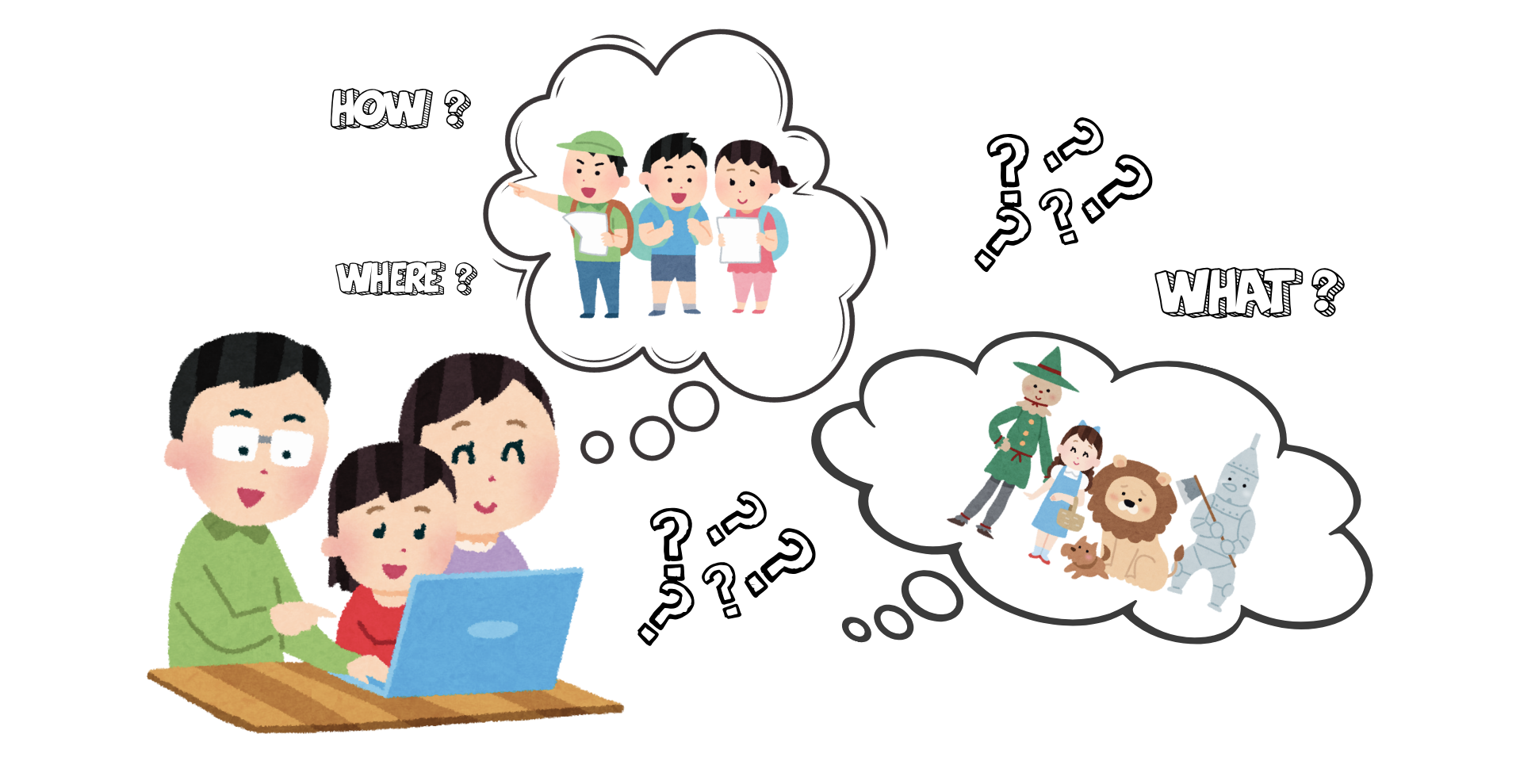
In some ways, providing a list of ideas for how to play is breaking the rules (!), but I think it will help you understand where to start and what free exploration together might look like. Here are some examples:
For Younger Kids (~5–10 years old) With a Parent
Pick a favorite book character and ask the AI to answer questions as that character. For instance, maybe the AI is the Very Hungry Caterpillar, and you ask him why he skipped vegetables. Or maybe a conversation with Charlotte the spider from Charlotte’s Web.
Ask silly questions and have fun with the responses. For instance, “If our house were alive, what would it think about us?” Or “if our dog could talk what would he say?” This provides an imaginative, low-stakes way to explore perspective-taking together.
For Older Kids and Parents
Pick a book or TV show that you’ve both finished and engage with AI on different perspectives and theories related to characters, themes, etc. For instance, a sci-fi show that’s open to interpretation or a book where you could try to argue an alternative viewpoint.
Ask the AI to role-play a historical figure who’s time-travelled to today, then interview them about what confuses them most about the world today. This is a good one, as it can show some of the gaps in an AI’s knowledge and may allow for some exploration of AI hallucinations.
Play together by arguing the other side of a hot-button issue. This can be particularly powerful as teens often hold strong beliefs. Take something they feel passionate about and let the AI make a convincing counter-argument. Do this yourself as well and show kids our openness to debate.
Curiosity and Freedom are the Keys to Future Flourishing
These are just a few ideas, but the point is that free exploration and play with AI can be powerful for all of us as we seek to master its value to society.
The biggest fear I have (and it’s one shared by many) is that instead of using AI to flourish we will be cowed into silence by it—either by our reticence to use AI, or our embarrassment in admitting that we do.
In fact, it’s been something many writers on Substack have debated this week as the platform recently added an “AI checker” to writers’ posts (fellow AI writer Karen Smiley frames the issue well here).
There are many reasons people use AI within their work. I like to use Claude as an editor to help me review for flow, clarity, and accuracy. Often those with communication challenges find AI has given them a voice (such as a writer with dyslexia, for instance), or individuals whose first language isn’t English who are able to find entirely new audiences for their writing.
The point is that an AI witch hunt (as it’s been called) makes us small, fearful, and weak when AI can instead make us smarter, more efficient and successful.
My discussions with fellow writers about the AI checker issue has made this idea of free thought and exploration even more urgent. So I’d recommend exploring these ideas for yourself and taking the time to read some of Peter Gray’s work. You can find his Substack here: